
Beach Houses: Design, Investment, and Trends in Dubai

Intro
As we delve into this topic, we will embark on a journey that explores the intricate details surrounding beach houses. From the evolving design trends influenced by environmental and cultural factors to the tangible investment potential these properties offer, our goal is to equip potential buyers and investors with a well-rounded comprehension of this niche in the real estate market.
Understanding Beach Houses
Beach houses, with their inviting structures and soothing environments, hold a significant role not just in architecture but also in the lifestyle of communities. Their importance transcends mere aesthetics, offering unique benefits and considerations for various stakeholders. This article delves into the diverse aspects of beach houses, resulting in a comprehensive understanding necessary for investors, buyers, real estate agents, brokers, and developers alike.
Definition and Characteristics
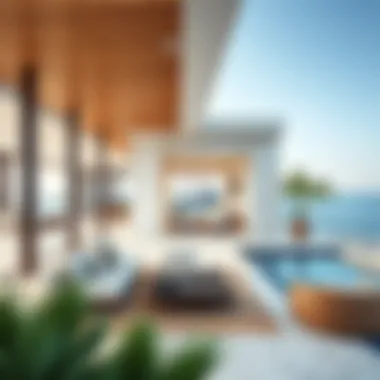
At their core, beach houses are designed as recreational or residential properties situated along shorelines. They aren't just buildings; they are a blend of light, air, and open spaces that harmonize with the surroundings of sand and sea. Characteristically, these structures often showcase large windows, open floor plans, and elevated sitting to provide views and protection from nature’s whims.
Some defining traits of beach houses include:
- Material Choices: Commonly constructed from wood, fiberglass, and sometimes even concrete, these houses are built to withstand coastal weather.
- Design Elements: Many feature expansive decks, patios, or balconies to encourage outdoor living, emphasizing interaction with the surrounding natural beauty.
- Color Palette: Soft whites, sandy beiges, and ocean blues often dominate, mirroring the coastal environment.
Importantly, the construction of beach houses requires careful consideration of local climate and environmental factors. Integrating resilient materials and sustainable practices can significantly enhance longevity and performance against coastal challenges, which also caters to a more eco-conscious clientele.
Historical Context
The concept of beach houses has evolved significantly over the years. Historically, these structures began as simple, functional dwellings meant to protect families while they vacationed by the coast. The suburban boom post-World War II saw an explosion in beach house popularity, driven by a growing middle class eager for holiday escapes.
As people sought to establish personal sanctuaries by the sea, architectural styles began to diversify. From the quaint fishing cabins of the early 1900s to the opulent, sprawling estates that characterize modern beaches, the evolution reflects changing societal values and advancements in building technology. Today, there are diverse styles, including:
- Cape Cod: Simple, steep roofs with dormer windows often define this traditional style.
- Mid-Century Modern: Known for open and airy designs that emphasize the connection to nature.
- Contemporary Eco-Friendly: Focuses on energy efficiency and materials that minimize environmental impact.
"The journey of beach house design is a mirror of our own desires, aspirations, and fears of the natural world."
In summary, understanding beach houses requires an appreciation of their foundational traits, historical evolution, and the continuous interplay between design, environment, and lifestyle. Their construction signifies more than just physical edifice; they represent aspirations and retreats that offer both economic and emotional value to their dwellers.
Architectural Styles of Beach Houses
Architectural styles of beach houses play a pivotal role in defining not just the aesthetic appeal of such properties but also their functionality and efficiency—especially in coastal regions like Dubai. Given the unique environmental factors these homes must contend with, understanding these styles can help informed buyers and investors make choices that align with their personal preferences and financial goals. The way a beach house is designed can significantly impact its livability, sustainability, and indeed its value in a fluctuating market.
Traditions and Innovations
When it comes to the design of beach houses, tradition often meets innovation. Many coastal communities feature houses that reflect their cultural heritage—distinct styles passed down through generations. A classic example would be the New England shingle style, characterized by wooden shingles and expansive porches that encourage outdoor lounging. These homes are adaptable and have withstood the test of time, being robust enough for various climatic challenges.
On the other hand, innovations frequently emerge from the need to adapt to rapid environmental changes. The incorporation of smart home technologies offers new approaches to managing energy consumption and environmental impact. For instance, solar panels are increasingly being integrated into newer designs, reducing reliance on fossil fuels and making properties more attractive to eco-conscious investors. In the end, merging these two aspects creates a beach house that is not only rooted in a sense of place but is also forward-thinking and functional.
Sustainable Design Approaches
Sustainability is no longer just a buzzword; it's become essential in today’s construction practices, particularly for beach houses. One might ponder over how homes can be environmentally sound while still providing adequate luxury and comfort. The idea is to implement design strategies that minimize harm to the surrounding ecosystem.
Some features of sustainable beach house design include:
- Use of Local Materials: Sourcing building materials like stone and wood from local suppliers not only reduces transportation emissions but also blends the home into its environment.
- Green Roofs: Installing green roofs not only improves insulation but also aids in stormwater management, capturing rainwater and reducing runoff.
- Energy-Efficient Windows: Utilizing double or triple-glazed windows can significantly decrease heat loss, making the house more energy-efficient.
Investing in a property that adheres to these sustainable approaches can increase its value over time, as more buyers seek environmentally-friendly options.
Adapting to Coastal Conditions
Coastal regions are notorious for harsh environments, from salty air to heavy winds and intense sun. Hence, successful beach house designs inherently consider these coastal conditions. From elevated foundations to resist flooding, to wind-resistant materials designed to withstand the relentless forces of nature, careful planning becomes critical.
For instance,
- Elevated Structures: Many beach houses are built off the ground to avoid flooding during high tides or storms, a critical feature that may save homeowners considerable woes down the line.
- Durable Finishes: Uses of hardy materials such as fiber cement siding can prevent rot and degradation, ensuring the structure remains sound for years.
The aesthetic beauty these houses boast, paired with their ability to withstand the elements, makes them highly sought after, enhancing their marketability and long-term value.
Such a blend of tradition and innovation not only heightens the character of beach houses but also ensures their durability and appeal in an ever-evolving marketplace.


In summary, understanding the architectural styles of beach houses profoundly influences how buyers and investors can approach their purchase. From what has stood the test of time in traditional designs to the innovative solutions leading the way in sustainability and utility, every inch of design decisions contributes to the overall success and longevity of beach houses.
The Role of Location in Value
When considering beach houses, the adage "location, location, location" rings especially true. The value of a property isn't just dictated by the size or design but significantly influenced by its geographical placement. In the context of beach houses, the convenience and allure of living close to the coast contributes immensely to both personal satisfaction and investment potential. Therefore, understanding the factors that go into this location-centric valuation is paramount for any potential buyer or investor.
Access to Beaches
The proximity to beaches represents a critical aspect of what makes beach houses desirable. Easy access to sandy shores not only enhances the on-site experience for residents but also impacts the resale value. When a property is just a stone's throw away from the ocean, it often commands a premium price, given its coveted location. Having a beach as your backyard can elevate leisure activities—whether it’s morning strolls, beach volleyball, or evening bonfires under the stars.
Moreover, the frequency of beachgoers often influences the local economy. Properties with easier access to popular beaches can attract a steady stream of tourists, which can benefit local businesses and increase the overall value of the area. This demand does wonders for property values, as more investors and homeowners vie for prime real estate.
To put it simply, properties near the beach generally see faster appreciation, and they maintain their value better, even during market fluctuations. Therefore, for those who are keen to invest, evaluating the accessibility to local beaches becomes essential.
The pull of the sea is not just a matter of aesthetics; it has tangible effects on property value and community economics.
Proximity to Amenities
Beyond the sun and sand, there’s more to consider. The appeal of a beach house is greatly enhanced if it is close to recreational and practical amenities. Think grocery stores, restaurants, health facilities, and even schools. Living near these conveniences offers residents a lifestyle that combines leisure with practicality.
For instance, homeowners may want to spend less time driving long distances just to satisfy everyday needs. Instead, being a short walk or drive away from shops or dining can make daily living smoother and more pleasurable. Additionally, if a property is in proximity to entertainment venues, parks, and local attractions, it enhances the overall living experience. This not only increases the house’s appeal but can also lead to increased rental income for investors looking to capitalize on the vacation rental market.
Investing in beach houses shouldn't be a matter of purchasing any available property. A wise buyer must consider the location's amenities to gauge not just present value but future potential as well.
Market Trends in Beach House Property
Understanding the market trends in beach house property is crucial for anyone involved in the coastal real estate sector. As the demand for these unique dwellings continues to evolve, investors, buyers, real estate agents, brokers, and developers must stay ahead of the curve. Beach houses are not just vacation spots; they represent a lifestyle and a financial investment that can appreciate over time.
Current Demand and Supply
With more people attracted to the seaside lifestyle, the demand for beach houses shows no signs of waning. This trend is driven by several factors that include:
- Increased remote work opportunities: Many individuals are now able to work from anywhere, leading them to prefer homes with serene views and relaxing environments.
- Health benefits of coastal living: Access to beaches is linked to improved mental health and overall wellbeing. Many buyers are prioritizing this aspect when making a purchase.
- Limited supply: In prime locations, available beach house properties are often limited, which can drive prices up. Developers are increasingly recognizing this scarcity and responding with new constructions, but zoning laws and environmental regulations can obstruct these efforts.
In Dubai, for instance, the market is witnessing a surge due to high demand from both local buyers and international investors. The city's reputation as a luxury destination is attracting wealthy clientele eager to dip their toes into the beach property market.
Investment Opportunities
Investing in beach houses presents distinct opportunities that can yield significant returns if approached strategically. Here are key points to consider:
- Long-term appreciation: Properties situated near the coast often appreciate faster than inland properties, making beach houses an attractive investment for capital gain.
- Rental income potential: Vacation rentals can provide a steady stream of income. In busy seasons, beach houses can command premium nightly rates, especially in sought-after locations.
- Diverse clientele: With the rise in remote work, the customer base for beach house rentals is widening. Potential renters include families, couples seeking retreats, and groups looking for unique vacation experiences.
"Investing in beach houses can feel like catching the next big wave. Ride it well, and the rewards are plentiful."
The importance of digital presence can’t be overstated here. Virtual tours, online marketing, and social media engagement are essential tools for leveraging beach properties. Areas with strong online visibility tend to have higher demand. Keeping tabs on what buyers are looking for—like eco-friendly features or contemporary designs—can offer investors a competitive edge.
In summary, being attuned to the trends in demand and supply, as well as recognizing the investment opportunities in beach house properties, lays the cornerstone for successful ventures in coastal real estate. By staying informed about market dynamics and buyer preferences, real estate professionals can position themselves favorably in this thriving sector.
Regulations Affecting Beach House Construction
The construction of beach houses is not just an exercise in creativity; it’s also significantly shaped by various regulations that guide builders, owners, and investors. These regulations are essential as they ensure that structures are safe, environmentally responsible, and harmonized with the local landscape. They also play a pivotal role in preserving coastal ecosystems, which are sensitive and dynamic. Understanding these regulations can save potential home buyers both heartache and money in the long run.
Zoning Laws
Zoning laws are the first line of defense in managing how land can be used. These laws dictate the type of constructions allowed within certain areas, setting limitations on height, density, and the overall design of beach houses. For coastal areas, zoning not only conserves the beauty of the landscapes but also addresses essential issues like public safety and land use optimization.
When contemplating building a beach house, investors should check local zoning regulations because these often vary dramatically from one municipality to another. For instance, in some locales, a two-story house might be the maximum height allowed, while others may allow three or more stories. Understanding the specifics can help determine the feasibility of projects, as well as the overall look and feel of the development.
"Before diving into plans for your dream beach house, familiarize yourself with the local zoning regulations. Know the land you’re working with!"
Additionally, zoning laws frequently include setbacks—distances a building must be away from property lines. This requires thoughtful planning to ensure sufficient space for outdoor areas and to provide residents with desirable views of the beach.
Environmental Considerations


Coastal construction is uniquely challenged by various environmental factors, and regulations often reflect these considerations. For instance, developers must take into account the preservation of coastal ecosystems, including sand dunes, tidal marshes, and wildlife habitats. Such regulations are crucial for maintaining ecological balance and reducing the impact of development on natural environments.
Environmental regulations often dictate:
- Use of Eco-friendly Materials: Builders might be encouraged or required to choose sustainable materials that reduce harmful impacts on surrounding areas.
- Flood Zones: Many beach houses require elevated construction to keep them above potential storm surges and saline flooding.
- Runoff Management: Regulations may stipulate the need for systems that manage stormwater runoff, which can help protect both the property and the nearby coastline from erosion and pollution.
Be mindful that failing to adhere to these environmental regulations not only poses legal challenges but can lead to long-lasting damage to your investment and the surrounding area. It brings to light that building isn’t just about creating a place for enjoyment; it’s also about being responsible stewards of the land.
In summary, understanding regulations related to zoning and environmental considerations is vital for anyone looking to navigate the complex landscape of beach house construction. For specific local requirements, resources like your local government webiste and environmental agencies can provide tailored information, thereby aiding in the prudent planning of your beach house endeavors.
Designing for Coastal Living
Designing for coastal living goes beyond mere aesthetics; it's about harmonizing the built environment with the natural landscape. Beach houses need to be functional and beautiful while taking into account the unique challenges presented by their surroundings. These structures must withstand harsh weather, provide comfort, and offer a sense of tranquility. To achieve this, several design principles come into play.
Maximizing Natural Light
Natural light is not only energy-efficient but also elevates the mood. In beach houses, large windows and open floor plans are often the keys to creating a light-filled environment.
Consider these elements for maximizing natural light:
- Orientation: Position the house to capture sunlight effectively throughout the day, ensuring that common areas like the living room and kitchen benefit from direct sunlight.
- Reflective Surfaces: Use light-colored walls and surfaces to enhance the diffusion of light throughout the space.
- Skylights: For two or three-story beach homes, consider adding skylights to bring in light from above. This can create an open but cozy atmosphere and is particularly effective in bathrooms or hallways.
By focusing on these strategies, beach houses can become inviting retreats, making every summer day feel like a celebration.
Indoor-Outdoor Flow
The connection between indoor and outdoor spaces is crucial in beach house design. The goal is to create a seamless transition that allows occupants to enjoy the outdoor beauty while benefiting from the comforts of indoor living. There are several ways to foster this connection:
- Sliding Glass Doors: Use wide sliding doors that can easily be opened, allowing the living room to blend into a spacious deck or patio.
- Outdoor Living Areas: Incorporate decks or patios that are an extension of indoor spaces. For example, an outdoor kitchen or dining area encourages gatherings and enhances the enjoyment of the coastal views.
- Landscaping Integration: Design the surrounding landscape to complement the structure, utilizing native plants and materials that connect the house to its environment. Features like stone pathways and beach grasses can emphasize the beauty of the coastline while providing functional outdoor spaces.
"A well-designed beach house is like the perfect wave: it brings harmony and balance, creating a sense of place while inviting the world in."
In summary, designing for coastal living involves careful consideration of light, space, and the elements that surround a beach house. The foresight into these aspects not only enhances the aesthetic appeal but also ensures longevity and comfort, vital qualities in a bustling property sector. Incorporating these details can make a beach house not just visually pleasing but a livable and enjoyable environment suitable for both homeowners and guests.
Beach House Maintenance and Care
Maintaining a beach house is not just a matter of keeping it visually appealing; it's about ensuring the integrity of the structure and prolonging its lifespan. Given the unique challenges posed by coastal environments, this section will delve into the significant elements of maintenance and care specifically tailored to beach houses. Proper upkeep not only protects one’s investment but also enhances the quality of life for those who reside in such idyllic locations.
Challenges of Coastal Climates
Coastal climates present unique challenges that can complicate maintenance efforts for beach houses. The constant saltwater exposure, humidity, and sudden weather changes can accelerate wear and tear.
- Salt Damage: One of the most significant threats is salt air, which can corrode metal fixtures and degrade paint more quickly than in non-coastal settings. Homeowners often witness rust on railings and outside fixtures within a few short years.
- Humidity: High humidity levels can lead to mold and mildew, which can affect both the aesthetic and health aspects of the house. Regular inspections are essential to catch these issues early before they manifest into more serious problems.
- Wind and Storm Damage: Strong coastal winds can displace roofing materials and cause significant damage during storm seasons. Regular checks on shingles, windows, and doors are necessary to fortify against such eventualities.
Strategies to mitigate these challenges often include selecting the right materials for construction, regular maintenance routines, and being proactive about repairs before small issues balloon into costly ones.
Sustainable Practices for Upkeep
In recent years, sustainable practices have gained attention in the field of beach house maintenance. Not only do they help preserve the coastal ecosystem, but they can also be financially beneficial in the long term.
- Use of Eco-Friendly Materials: Opting for sustainable materials for repairs and enhancements can make a significant difference. Reclaimed wood for decks, for instance, not only adds character but also reduces demand on new timber resources.
- Rainwater Harvesting: Installing systems to collect rainwater for irrigation can minimize water expenses and aid in managing runoff, which can be particularly crucial in areas prone to flooding.
- Energy Efficiency: Implementing solar panels or energy-efficient windows helps reduce monthly utility bills and decreases the overall carbon footprint of the property. Energy-efficient homes are increasingly desirable on the market, appealing to buyers focused on sustainability.
Sustainability is not just a trend; it is becoming increasingly intertwined with the value of beach houses. Choosing the right practices can not only enhance the property's appeal but also contribute positively to the environment.
Cultural Impact of Beach Houses
Beach houses do more than just provide a space for relaxation; they are integral to the very fabric of coastal communities. The importance of understanding the cultural impact of these structures cannot be overstated, particularly in regions like Dubai, where the interplay of tradition and modernity shapes the daily lives of residents and visitors alike. This section delves into the significant elements and benefits of beach houses, shedding light on their influence in fostering community ties and boosting local economies.
Influence on Local Community
The construction of beach houses often leads to a metamorphosis in local communities. These houses serve not only as vacation spots but become gathering places for families and friends, engendering a culture of togetherness.

In many coastal areas, beach houses have led to a resurgence in community spirit. Families often return to the same spots year after year, creating strong ties and shared memories. This sense of continuity fosters a bond among neighbors, as community members come together for seasonal events, barbecues, local festivals, and beach clean-up days.
Moreover, local businesses benefit immensely from the influx of visitors drawn by beach houses. Restaurants, shops, and recreational services thrive, creating jobs and stimulating the economy. When residents and tourists alike invest their time and money locally, communities become self-sustaining, rebuilding a sense of pride in local identity. This interconnectedness enhances the social fabric, proving that beach houses can be catalysts for community vibrancy.
Tourism and Economic Benefits
Beach houses significantly contribute to tourism and the overall economic landscape of coastal areas. In places like Dubai, where tourism serves as a cornerstone of the economy, beach houses represent a unique blend of relaxation and luxury. Their appeal lies in the promise of idyllic seaside living, drawing tourists not just from neighboring regions but from around the world.
Consider the following:
- Boost to Local Economy: Every time a family rents or purchases a beach house, it translates to spending in local markets—from dining to entertainment and water sports.
- Job Creation: Increased tourism leads to higher demand for services like hospitality, maintenance, and guided tours, thus creating employment opportunities.
- Cultural Exchange: Tourists bring diverse perspectives, allowing for cultural exchange that enriches the local populace's experience. Traditional crafts and local cuisines often receive increased attention as visitors seek authenticity in their experiences.
"Beach houses serve as a bridge between nature and nurture, allowing communities to thrive in scenic environments."
On the flip side, the economic benefits of beach houses bring challenges. Real estate investments in these areas can drive up property prices, potentially pricing locals out of the market. Therefore, it is crucial for city planners and community leaders to find a balance, ensuring that growth benefits both investors and residents alike—maintaining that delicate dance between development and sustainability.
Comparative Analysis of Beach Houses Globally
In the vast tapestry of architectural styles and coastal living, the comparative analysis of beach houses globally shines a spotlight on how cultural nuances, environmental factors, and local traditions weave into the very fabric of these homes. Understanding these differences not only enriches our knowledge but allows potential investors and buyers to make informed decisions in varied markets. It’s like seeing the world through the lens of different experiences; the charm of a beach house in California might feel miles apart from those found on the shores of Thailand.
Distinct Styles Across Cultures
Across the globe, beach houses showcase an array of styles that reflect the local culture and environment. For instance, in the U.S. West Coast, seaside homes often embrace a modernist approach, featuring open spaces, large glass windows, and eco-friendly materials. This design takes advantage of the stunning Pacific views while providing a contemporary aesthetic that appeals to modern sensibilities.
In contrast, moving to the Caribbean, one might encounter colonial-style beach houses characterized by bright colors, airy verandas, and sturdy shutters. These structures not only protect against tropical storms but also pay homage to the region’s colonial past, mixing beauty with practicality.
- Mediterranean Coast: The iconic white-washed villas adorned with terracotta roofs offer a unique blend of romance and functionality, embodying centuries of architectural evolution influenced by climate.
- Australian Beaches: Beach shacks here are often crafted from timber and marked by a laid-back vibe. With sustainability in mind, Australians often use recycled materials, reflecting the country’s commitment to preservation of nature.
These variations across cultures are not just mere aesthetics; each design choice is rooted deeply in socio-economic backgrounds and geographical influences. They speak volumes about lifestyle preferences, climatic considerations, and even local regulations that dictate building styles.
Market Investments in Different Regions
Diving into market investments, different regions present distinct opportunities for those eyeing beach properties. Investors looking towards the Caribbean might find themselves tapping into a burgeoning market, where proximity to the ocean enhances property values. Various islands offer favorable conditions for foreign buyers, making it ripe for investment.
Meanwhile, Florida continues to be a hot spot in the U.S., where buyers seek sandy shores coupled with family-friendly communities. The market here remains robust, driven by a steady influx of retirees and vacationers.
On the other hand, Asia’s beach markets are witnessing a surge, especially in places like Bali and the Maldives. Investors are increasingly drawn to luxury developments among serene settings, often with premium returns on short-term rentals. However, potential buyers must navigate local laws and understand the purchasing restrictions that vary significantly between countries.
Investing in beach properties requires due diligence; a comprehensive understanding of local regulations and market trends is vital for success.
In sum, the comparative analysis of beach houses globally is not merely an academic exercise but a crucial component for those venturing into real estate investments or even contemplating their future holiday retreats. By recognizing what sets these homes apart, buyers and investors can identify and capitalize on the best opportunities while appreciating the cultural richness that shapes each unique beach house.
The Future of Beach House Design
As the world evolves, so too does the concept of beach houses. These dwellings are not just about stunning views and sun-soaked decks. They increasingly reflect the values and preferences of modern society. The future of beach house design is critical, especially in places like Dubai where innovation meets luxury. This section explores key trends that are surely changing the landscape of coastal living, highlighting technological innovations and the shift towards minimalist designs.
Technological Innovations
With technology advancing at breakneck speed, integrating smart features into beach houses has become a hallmark of modern design. These innovations are not merely luxurious additions; they significantly improve functionality and sustainability, ensuring homes withstand the unpredictable nature of coastal environments.
Smart Home Systems: Many beach houses now incorporate comprehensive smart home systems. These systems allow homeowners to control lighting, temperature, and security from their smartphones. More than just convenience, they enhance energy efficiency – a crucial factor in coastal areas where energy costs can spiral.
Sustainable Materials: The materials used for constructing beach houses are also seeing significant upgrades. Developers are turning towards reclaimed wood, bamboo, and other sustainable materials that can resist the harsh effects of salty air and moisture. These choices not only reduce the ecological footprint but also add a distinctive charm to the homes.
Weather-Resistant Technology: New building techniques such as hurricane-proof windows or roofs designed to minimize storm-related damage are vital for coastal properties. Innovations like these ensure safety while maintaining architectural integrity. They address concerns that buyers have, providing peace of mind in volatile climates.
"With the right technological innovations, beach houses can offer the luxury of living near the water without compromising on safety and efficiency."
Trends Towards Minimalism
As more people search for ways to simplify their lives, the trend towards minimalism in beach house design is gaining traction. This movement prioritizes functionality and simplicity, allowing homeowners to breathe easier both aesthetically and mentally.
Open Spaces: In minimalist beach houses, open floor plans dominate the layout. They encourage natural light to flow through and provide a sense of spaciousness, critical for those looking to escape the hustle and bustle. Fewer walls promote a lifestyle that embraces the surrounding environment, creating a seamless transition between indoor and outdoor living.
Natural Elements: Minimalist design often features materials that connect occupants with nature. Large windows frame outside views, while the color palettes reflect the hues of sand and sea. Furnishings tend to be simple yet elegant, focusing on quality rather than quantity. This approach invites contemplation and reflects a more relaxed way of life.
Functionality Over Excess: Each element in a minimalist beach house serves a purpose. Instead of clutter, there is an emphasis on well-thought-out spaces. Built-in storage solutions and multi-functional furniture ensure that the home remains both practical and stylish, promoting a lifestyle that values experiences over possessions.
In essence, the future of beach house design is not just about aesthetics; it's a testament to changing lifestyles and values. By blending technology and minimalistic approaches, these homes prepare for the demands of tomorrow while providing a serene getaway today.